
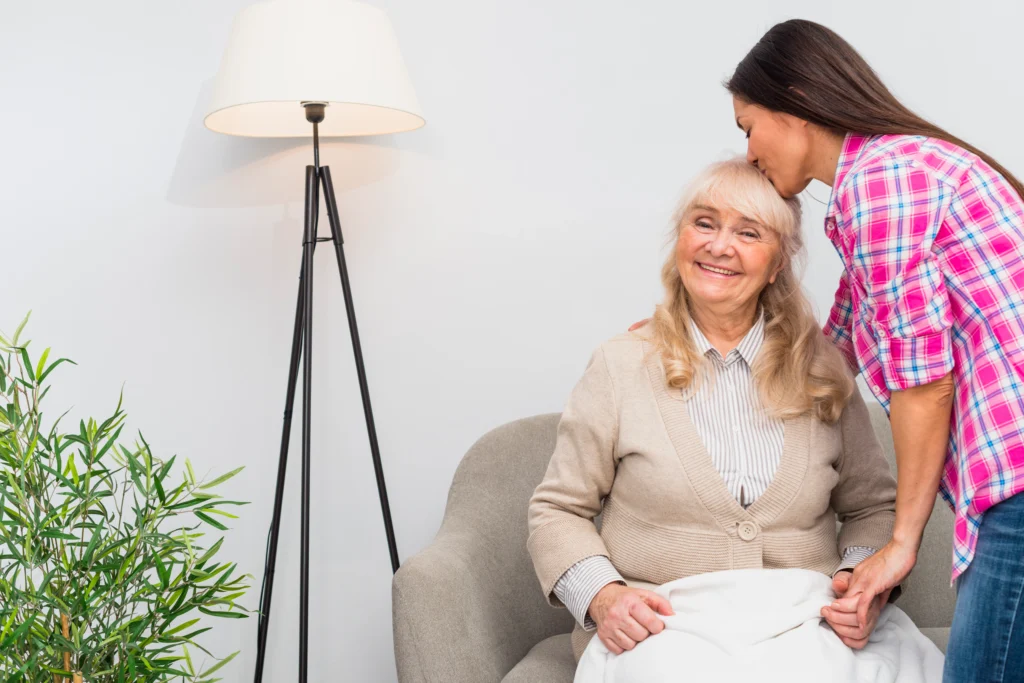
Caregiving means providing physical, emotional, or practical support to someone who can’t fully manage daily life alone. This includes helping a parent with medications, meals, or mobility after a health decline.
Caregivers can be family members or trained professionals — paid or unpaid.
The Real Meaning of Caregiving
Caregiving means stepping in to help someone manage daily life when they can’t do it alone. It covers everything from cooking meals to coordinating doctor visits.
A daughter driving her father to dialysis three times a week is caregiving — even without a title.
Caregiver vs. Caretaker — What’s the Difference?
“Caregiver” refers to someone caring for a person. “Caretaker” traditionally means someone maintaining property or land. The terms get mixed up often, but they aren’t interchangeable.
Only “caregiver” applies to people, not property. Someone managing a rental is a caretaker. Someone helping their mother bathe and take medication is a caregiver.
Are You a Caregiver? 5 Signs You Already Are
You’re likely a caregiver if you regularly support someone who can’t fully manage alone. Many people don’t realize it until the role is already full-time.
Signs include:
- Helping with daily tasks like bathing
- Managing medications or appointments
- Offering emotional support during illness
- Handling finances or paperwork
- Adjusting your routine for their care
Types of Caregiving (Know Where You Fit)
Caregiving falls into two main categories: family (informal) and professional (formal). Both can be paid or unpaid, depending on the arrangement.
A spouse managing daily care is an informal caregiver. A trained personal support worker visiting on a schedule is a formal caregiver.
Family (Informal) Caregiving
Family caregiving means an unpaid relative or friend provides ongoing support, usually without formal training. It’s the most common form of care in Canada.
A son helping his mother with groceries and medication reminders is an informal caregiver — even without pay or a title.
Professional (Formal) Caregiving
Professional caregiving means a trained, paid worker provides structured support based on specific needs. This includes personal support workers, nurses, and home care aides.
A PSW visiting daily to help with bathing and medication is formal caregiving.
Paid vs. Unpaid Caregiving
Paid caregiving involves compensation for care duties. Unpaid caregiving is typically provided by family out of relationship, not employment. Both carry equal responsibility and demands.
A hired live-in caregiver is paid; a daughter caring for her father after work is unpaid.
| Type | Who Provides It | Paid/Unpaid | Typical Setting |
| Family/Informal | Relative, friend, spouse | Usually unpaid | Home |
| Professional/Formal | PSW, nurse, trained aide | Paid | Home, facility, hospital |
| Respite Caregiver | Temporary substitute | Paid or unpaid | Home |
| Live-in Caregiver | Professional or family member | Paid or unpaid | Home |
What Caregiving Actually Involves (Roles & Responsibilities)
Caregiving covers three core areas: physical care, emotional support, and practical tasks. Most caregivers handle a mix of all three, not just one.
Physical Care
Physical care means helping with hands-on daily needs like bathing, dressing, and mobility. This is often the most time-intensive part of caregiving.
Helping a parent get in and out of bed safely each morning is physical care.
Emotional Support
Emotional support means being present through fear, frustration, or isolation. It’s less visible but equally demanding.
Sitting with someone during a hard diagnosis, without trying to fix it, is emotional support.
Practical & Administrative Tasks
Practical tasks mean managing the logistics behind someone’s care — appointments, insurance, and paperwork. This work often goes unnoticed but keeps everything running.
Coordinating a parent’s doctor visits and filing insurance claims is practical caregiving.
How to Know If You Need Outside Help
You may need outside help when caregiving starts affecting your health, work, or finances. This shift often happens gradually, not all at once.
If you’re missing sleep or feeling constantly overwhelmed, it may be time to bring in support.
Caregiving as a Career: Is It Right for You?
Caregiving can be a career if you’re patient, organized, and comfortable with hands-on support. Many professional caregivers start as personal support workers or home health aides.
Those who enjoy helping others often find caregiving careers rewarding — with steady, meaningful work.
Key Takeaways
Caregiving means supporting someone who can’t fully care for themselves — physically, emotionally, or practically. It can be family-based or professional, paid or unpaid.
- Caregiving includes physical, emotional, admin support
- Family and professional caregiving both count
- Needing outside help is common, not failure
A daughter juggling her father’s medications and appointments is already a caregiver.
Frequently Asked Questions
Q: What is the simplest definition of caregiving?
A: Caregiving means helping someone who can’t fully care for themselves. It applies to family members and trained professionals alike.
Q: What’s the difference between a caregiver and a caretaker?
“Caregiver” refers to someone caring for a person. “Caretaker” traditionally means someone maintaining property. Only one applies to people.
Q: Am I considered a caregiver if I only help occasionally?
A: Yes. Caregiving isn’t limited to full-time or daily roles. Even occasional help counts as informal caregiving.
Q: Is caregiving always unpaid?
A: No. Caregiving can be paid, like with support workers, or unpaid, like with family members. Both involve the same core responsibilities.
Q: What skills do you need to be a good caregiver?
A: Patience, empathy, and organization matter most. Professional caregivers receive formal training; family caregivers often learn through experience.
Q: When should a family consider professional caregiving help?
A: When caregiving affects your health, work, or finances, professional support becomes worth exploring.
Not Sure What Kind of Care Is Right for Your Family?
Understanding what caregiving means is the first step. Figuring out what fits your family is the next.
If you’re weighing family care against professional support, a quick conversation can bring clarity without pressure.